
Stay Connected Anywhere Instantly with the Best eSIM for Travel
An eSIM for travel is a digital SIM card built into your phone, letting you instantly connect to a local mobile network without needing a physical plastic card. You simply buy a data plan online, scan a QR code, and activate it right from your device. This means you can skip hunting for local SIM shops and stay connected with affordable data as soon as you land. It makes switching between countries seamless by allowing you to store multiple plans on one phone.
Choosing a Digital SIM for Your Next Trip
When choosing a digital SIM for your next trip, prioritize providers that offer flexible data packages rather than committing to a single country. Look for esim for travel apps that allow you to install the profile before departure, ensuring instant connectivity upon landing. Compare coverage maps specifically for your destinations, as some plans only work on partner networks in select regions. Always check that the esim supports tethering if you need to share your connection with a laptop. For multi-country trips, select a regional plan covering all stops to avoid re-purchasing. Verify the plan’s validity period matches your trip length exactly to prevent wasted days. Finally, read user reviews on activation speed and customer support responsiveness, as these directly impact your experience when network issues arise abroad.
How an Embedded SIM Compares to Traditional Plastic Cards
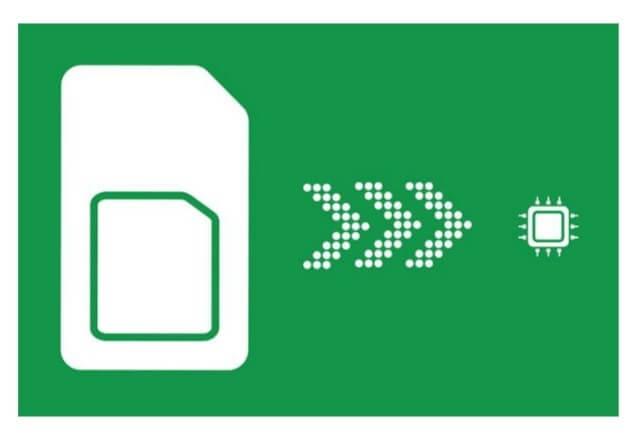
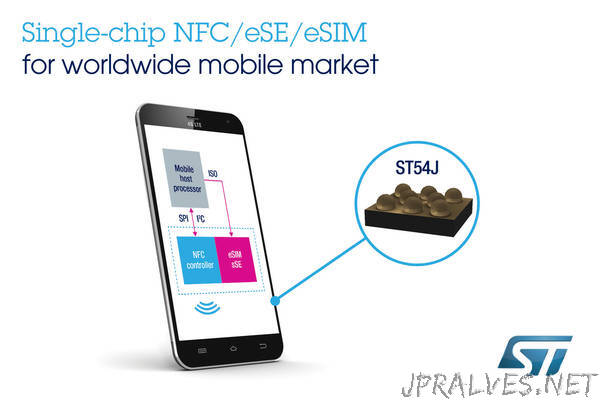
An embedded SIM is permanently soldered inside your device, unlike a traditional plastic card that is physically inserted and removed. This eliminates the risk of losing or damaging a tiny chip during travel. With a traditional card, you must physically swap carriers, while an esim for travel allows instant remote activation. For setup, the sequence is:
- Purchase a plan online.
- Scan or download a QR code.
- Install and activate before your trip.
Traditional cards require waiting for delivery or visiting a store. Once installed, an eSIM can store multiple profiles, letting you switch plans without carrying a handful of plastic cards. There is no slot to break, and you cannot accidentally eject it mid-trip.
Key Benefits for Roaming Without Physical Swaps
The primary benefit is eliminating the need to locate and insert a local physical SIM upon arrival, saving time and avoiding the risk of losing or damaging your primary card. Instant connectivity upon landing is possible by activating a digital eSIM profile before departure. You can also seamlessly switch between an international plan and a regional travel package without ejecting a tray, ensuring you always have the most cost-effective active profile. This allows for maintaining your home number active for calls while using the digital SIM solely for data roaming, a practical dual-line advantage physical swaps cannot offer.
Different Types of Digital Connectivity Options
The rustle of a foreign map gave way to a tap on my phone screen. For this trip, I didn’t hunt for a local SIM card. Instead, I activated a travel eSIM, which is a digital profile that lets me connect to different types of digital connectivity options without swapping physical cards. On arrival, my phone immediately joined a local network for high-speed data, but I also had a fallback: a regional plan covering multiple countries. When my main eSIM’s data ran low, I toggled to a roaming add-on from the same provider. “Which option works best for a three-country train journey?” I asked the app. It suggested a global eSIM with automated switching between carriers, keeping me online as borders blurred—no fiddling with clips or paper trays, just seamless connection through a single profile.
Data-Only Plans Versus Voice and Text Packages
Choosing between a data-only eSIM and a voice-and-text package hinges on your communication style. Data-only plans excel for travelers who rely on messaging apps (WhatsApp, iMessage) and VoIP calls via Wi-Fi or cellular data, offering cheaper, high-volume connectivity. Conversely, traditional voice-and-text packages are essential for dialing local numbers (restaurants, taxis) or receiving SMS verification codes. For a balanced approach, follow this sequence: assess your primary communication channels before departing.
- Identify if you need local number dialing for reservations or emergencies.
- Check if your apps support voice calls over data.
- Select a data-only eSIM if app-based communication suffices, or a hybrid plan if legacy voice/SMS is required.
This ensures you pay only for necessary services.
Regional Passes vs. Single-Country Profiles
For multi-destination trips, a regional eSIM pass offers seamless connectivity across multiple countries under one data plan, eliminating the need to manage separate eSIMs. Conversely, a single-country profile targets a specific nation, often providing higher data caps or lower per-GB cost for prolonged stays. The choice hinges on your itinerary: regional passes suit fast-paced, cross-border travel, while single-country profiles suffice for concentrated visits. Practical user factors include coverage overlap and activation simplicity.
- Regional passes activate once for entire zones, whereas single-country profiles require separate purchases per nation.
- Single-country profiles typically offer cheaper rates for extended duration in one location.
- Regional passes may throttle speeds or exclude certain networks; single-country profiles often include full local carrier access.
- Data rollover policies differ: regional passes usually expire after a fixed period, while single-country profiles may permit top-ups.

Prepaid, Top-Up, and Subscription Models Explained
For travel eSIMs, prepaid, top-up, and subscription models define how you pay for data. A prepaid eSIM offers a fixed data allowance that expires after a set duration, like 5GB for 30 days, with no renewal. The top-up model allows you to add data packages to an existing eSIM profile as needed, extending service without buying a new plan. A subscription model auto-renews a chosen data plan each billing cycle, providing continuous connectivity until canceled. Choosing between them depends on trip length: prepaid suits a single journey, top-up works for variable usage, and subscription is ideal for frequent travelers requiring always-on service without manual recharges.
Assessing Device Compatibility Before You Go
Before purchasing an eSIM for travel, you must assess device compatibility to avoid connectivity issues at your destination. Confirm your smartphone is eSIM-compatible, typically iPhones from XS/XR onward, recent Google Pixels, and Samsung Galaxy S20 and newer models. Triple-check that your phone is carrier-unlocked, as locked devices often restrict eSIM activation from foreign providers. Check your phone’s IMEI via settings or dial *#06# to verify eSIM support. Q: Can I use an eSIM if my phone is locked? A: No, a carrier-unlocked device is mandatory for eSIM functionality abroad. Overlooking this step risks wasted funds and no data upon arrival, so test compatibility before departure.
What iPhone and Android Models Support This Technology
For travel eSIMs, compatible iPhone and Android models are essential. The iPhone XS, XR, and newer models (SE 2020 and later) support eSIM. On Android, the Google Pixel 3 and newer, Samsung Galaxy S20 and newer (including Z Flip and Fold), and recent OnePlus and Motorola flagships include support. To verify compatibility, follow this sequence:
- Open phone settings and check for “Add Mobile Plan” or “SIM card manager” options.
- Consult your carrier’s official eSIM compatibility list for your exact model number.
- Confirm the phone is not carrier-locked, as this blocks foreign eSIMs.
Note that some dual-SIM phones may restrict eSIM usage to one active slot at a time.
How to Check if Your Phone Unlocks Digital Profiles
To verify your phone can use travel eSIMs, first check it is carrier-unlocked for digital profiles. Navigate to Settings > General > About and look for “Carrier Lock.” If it says “No SIM restrictions,” your phone is unlocked. Alternatively, insert a non-native SIM card; if it activates without an error, you can load digital profiles. For iPhones, confirm “Dual eSIM” support in the same menu. Android users should search settings for “eSIM” or “SIMs” to see if an “Add mobile plan” option appears. These steps confirm your device accepts remote digital profiles.

| OS | Check Method | Key Indicator |
|---|---|---|
| iOS | About > Carrier Lock | “No SIM restrictions” |
| Android | Connections > SIM manager | “Add eSIM” option visible |
Common Carrier Restrictions and Workarounds
Before traveling, check if your home carrier imposes SIM lock restrictions or hotspot limits that affect eSIM compatibility. A common workaround is purchasing a local eSIM data plan while keeping your primary line active via dual SIM mode. If your phone is carrier-locked, request an unlock from your provider before departure. For hotspot restrictions, test tethering with a trial eSIM at home. Some carriers also throttle data after certain thresholds, so selecting a travel eSIM with a generous data cap or top-up options circumvents this.
- Request a permanent carrier unlock if your device is locked to a specific network.
- Use a dual-SIM setup (physical SIM + eSIM) to bypass restrictions on primary line data usage.
- Test eSIM hotspot functionality with a low-cost trial to confirm no carrier-imposed tethering blocks exist.
- Choose travel eSIM providers offering unlimited or high-capacity data to avoid throttling from your home carrier.
Selecting a Provider Based on Your Itinerary
Your travel route dictates your eSIM choice. If you’re hopping between multiple countries, prioritize a **regional eSIM** covering your entire itinerary to avoid buying separate plans mid-trip. For a single-country stay, a **local provider’s eSIM** often delivers faster data speeds at a lower cost than a global plan. Yet, beware of coverage gaps when crossing borders—a provider strong in cities may falter in remote transit zones you’ll actually travel through. Always check the provider’s specific network partner in each destination on your itinerary, not just the general map. This ensures your connection remains seamless from airport arrival to your final stop.
Comparing Global Leaders Like Airalo, Holafly, and Nomad
When comparing global leaders like Airalo, Holafly, and Nomad for your itinerary, focus on their data caps and speed tiers. Airalo often offers the cheapest regional plans but may throttle speeds after a few GB, making it ideal for light users. Holafly markets unlimited data, though some users report reduced speeds after daily thresholds, perfect for heavy streamers. Nomad sits between them, blending competitive prices with reliable high-speed allowances. For multi-country trips, Airalo’s regional bundles often save money, while Holafly’s flat rates simplify budgeting for single-destination stays. Comparing global leaders like Airalo, Holafly, and Nomad ends with checking coverage maps—Nomad excels in less-touristed areas.
In short: Airalo for budget flexibility, Holafly for unlimited peace of mind, Nomad for balanced speed and reach—pick based on your data appetite and route.
Localized Providers for Specific Destinations
When your itinerary zeroes in on one country, a localized eSIM provider for specific destinations often outshines global giants. These vendors buy data directly from local networks, delivering faster speeds and better coverage in remote areas than roaming plans. For example, a provider focused on Japan might offer exclusive access to SoftBank or Docomo, while a Thailand-specific eSIM prioritizes AIS towers. Setup is identical—scan a QR code before departure—but you pay only for that country. This beats paying for regional coverage you won’t use. Always check if the provider lists the exact local carrier on their site.
Localized providers match your single-destination trip with carrier-specific eSIMs for optimal speed and cost.
User Reviews and Reliability in Remote Areas
When your itinerary goes off-grid, user reviews become your best friend. Look for repeated mentions of reliable connection in remote areas from travelers who’ve actually been to your destinations. A provider might brag about coverage, but real reports reveal dropped signals. To evaluate, follow this sequence:
- Search for reviews with your specific remote location name.
- Check recent posts—older ones may be outdated.
- Note patterns: multiple users praising the same spot is a good sign.
- Also look for honest complaints about dead zones near mountains or forests.
This real-world feedback helps you avoid surprises when you’re miles from any town.
Installation and Activation Workflow
The moment our flight landed in Tokyo, I pulled out my phone. No fumbling for a physical SIM tray. Instead, I opened the airline’s app, where my esim installation process had already begun before we left home. I scanned the QR code they’d emailed, and the profile downloaded silently. The activation workflow was instant: once we touched down, I tapped “Enable This Line” in settings, and within seconds the network bars appeared. My husband, still wrestling with a paper clip to swap his old SIM, watched me check Google Maps before we even reached baggage claim. No PIN codes, no store visits—just a clean digital handshake that made roaming feel invisible.
Scanning a QR Code or Downloading a Profile
Upon purchasing a travel eSIM, activation typically begins by scanning a QR code or downloading a profile. The provider emails a unique QR code or a direct download link. Scanning the QR code with your phone’s camera triggers the profile installation in your device’s cellular settings. Alternatively, clicking a download link automatically adds the eSIM profile. After installation, name the profile (e.g., “JP Travel”) for clarity. You may need to temporarily disable your physical SIM to prevent roaming charges.
- Ensure a stable Wi-Fi connection before scanning the QR code or starting the download.
- Do not delete the email or QR code until the profile is fully activated and tested.
- If the scan fails, manually enter the provided activation code instead.
Managing Multiple Lines on a Single Device
Managing multiple lines on a single device transforms your travel phone into a streamlined command center. You can keep your home number active for banking codes while installing a local data eSIM for navigation, all within the same settings menu. Dual SIM management allows you to designate your primary line for voice and SMS, while the travel eSIM handles high-speed data, avoiding roaming fees entirely. This setup demands careful labeling of each line to prevent sending an expensive text from the wrong profile. By toggling mobile data between plans in real time, you maintain seamless connectivity without swapping physical cards.
Troubleshooting Connectivity After Activation
After activating your travel eSIM, connectivity issues often stem from incorrect APN settings or disabled data roaming. Navigate to your device’s mobile network settings, ensure **data roaming is toggled on**, and manually input the APN provided by your eSIM carrier. If you see “No Service,” try a quick network reset or manual carrier selection. Q: How do I fix eSIM connectivity after activation? A: First, toggle Airplane Mode for 30 seconds, then verify your APN and roaming settings. If issues persist, reinstall the eSIM profile via your provider’s app.
Optimizing Settings for Seamless Roaming
For seamless roaming with an eSIM, first disable automatic network selection on your device and manually choose your provider’s listed partner networks, as this prevents constant reconnection attempts. Enable data roaming and set your preferred network type to 4G/LTE where possible, as this balances speed and stability over congested 5G bands. Always turn off Wi-Fi Assist or Smart Network Switch to prevent your phone from jumping between cellular and Wi-Fi, which can interrupt your eSIM’s data session. Disable background app refresh for non-essential apps to conserve data and reduce polling intervals that trigger network handoffs. If you experience intermittent dropouts, locking your phone to a single frequency band via developer options can force a more consistent connection at the cost of peak speed. Verify that your eSIM profile is set as the primary data line in dual-SIM configurations to avoid accidental charges on your home carrier.
Configuring Data APN and Network Selection
For seamless roaming with your eSIM, you’ll often need to manually configure the Data APN and network selection. After installing your eSIM, check your device’s mobile network settings to see if an Access Point Name (APN) is automatically filled; if not, copy the exact APN details from your eSIM provider’s app or email. Then, turn off “Automatic Network Selection” and manually pick a local partner network—this prevents your phone from clinging to a weak signal. This ensures stable data connectivity while traveling.
What do I do if my eSIM data isn’t working after selecting a network? Double-check the APN settings match your provider’s instructions exactly, as a single typo can block your connection. Then, try toggling the specific network on and off again.
Using an Embedded Profile as Your Primary Connection
Using an embedded profile as your primary connection involves designating your device’s built-in eSIM as the default line for cellular data, calls, and texts before travel. This approach ensures that your primary number remains active for essential services like bank verification codes and two-factor authentication while roaming. You must configure your device’s preferred roaming partner in the cellular settings to prevent unwanted data charges when crossing borders. Once set, the embedded profile handles all connectivity, allowing you to add a secondary travel eSIM solely for supplemental data without risking your primary line’s functionality.
Embedding your primary eSIM as the default connection maintains critical services and carrier-specific features while roaming, with data routing controlled entirely through that profile.
Avoiding Roaming Pitfalls with Dual SIMs
With a dual-SIM setup, the primary pitfall is accidental data charges from your home carrier. To avoid this, explicitly disable mobile data on your primary physical SIM within your device’s settings before activating the eSIM. Furthermore, ensure your messaging app explicitly sends iMessage or WhatsApp over the eSIM’s data line, not the default line for SMS. A common oversight occurs when roaming, as incoming calls to the dormant physical SIM may still incur connection fees if not redirected. Lock your phone to the eSIM as the sole data source and confirm that “Allow Cellular Data Switching” is toggled off to prevent the device from automatically using the physical SIM for backup data.
Cost Management and Budgeting Tips
Cost management for travel eSIMs begins with comparing data-only plans against local carrier rates, as eSIMs often offer competitive per-gigabyte pricing without roaming surcharges. To avoid overpaying, calculate your likely daily usage—streaming and video calls consume far more data than mapping or messaging—and select a bundle that matches your needs rather than an unlimited plan. A practical tip is to
activate a regional plan covering multiple countries instead of individual local eSIMs, which reduces cumulative setup fees and simplifies budgeting.
Additionally, monitor your consumption via the eSIM provider’s app to avoid topping up abruptly at premium rates, and consider purchasing a plan with a validity period slightly longer than your trip to prevent unused data waste. Pre-purchasing before departure also locks in favorable exchange rates.
Understanding Data Caps and Throttling Policies
When selecting an eSIM for travel, understanding throttling policies is crucial for avoiding sudden slowdowns. Many budget-friendly plans promise high data caps but reduce speeds after you hit a daily or total limit. This “throttled” state can render maps and messaging frustratingly slow. Always check if your eSIM provides true high-speed data until the cap or if it shifts to 2G/3G speeds afterward. For heavy data users, prioritizing plans with clear, unthrottled allowances prevents unexpected costs and performance dips abroad.
An eSIM plan’s true value lies not in its advertised cap, but in its throttling policy—know exactly when and how your speed will drop to budget effectively.
Best Practices for Monitoring Usage Abroad
To avoid bill shock, monitor usage abroad by setting a mobile data cap in your device’s settings before departure. Log into your eSIM provider’s app daily to check live consumption, not just at trip’s end. Turn off automatic app updates and background data for non-essential apps, as these often drain your plan unnoticed. Follow this sequence:
- Disable data roaming for your primary SIM.
- Set a low-data warning alert at 50% of your plan.
- Switch to Wi-Fi for high-bandwidth tasks like video calls.
- Review your provider’s dashboard each evening to reconcile your usage.
This discipline ensures you never exceed your budget or need an emergency top-up.
Hidden Fees in Fine Print and How to Avoid Them
When selecting an eSIM for travel, hidden fees often lurk within the fine print, typically tied to data throttling after a “fair usage” cap or mandatory top-up bundles that expire within 24 hours. To avoid this, first verify if the plan’s stated speed is “unlimited” but includes a soft cap that drastically reduces throughput. Second, scrutinize the refund policy; many providers charge a “reactivation fee” if you need to reinstall the eSIM after deletion. Always read the terms of service targeting “auto-renewal” clauses, as they can silently bill your card. Finally, confirm that the listed price is truly the final cost by checking for hidden “service” or “activation” surcharges added at checkout.
- Identify any “fair usage” thresholds that trigger throttling
- Check if top-up data has an expiration shorter than your trip
- Search for non-refundable “setup” fees not in the headline price
Security and Privacy Considerations
When you switch to an eSIM for travel, your physical SIM remains untouched, drastically reducing the risk of SIM-swap attacks or theft of your home number. You must vet your provider, as shady eSIMs can route data through unsecure tunnels, exposing your credentials on public Wi-Fi. Only download profiles from official apps to avoid rogue QR codes that clone your digital identity. Your travel eSIM’s remote management allows instant profile deletion if your device is lost, preventing unauthorized access to local networks. Encrypt all data before it leaves your phone—your eSIM is a target, not a shield.
Does a Digital Profile Pose Fewer Risks Than Physical SIMs?
For travelers, a digital profile often poses fewer physical security risks than a physical SIM. You cannot lose or have a digital SIM stolen, eliminating the threat of someone extracting your home number or intercepting two-factor authentication codes. Unlike a physical card, a digital profile is non-removable from the device, making it inaccessible to thieves who swap SIMs. However, this consolidation creates a single point of failure: if your phone is compromised, both your data and your digital network access are at risk. The tradeoff is favoring protection against physical loss over sophisticated digital threats, a calculation most travelers find favorable.
Protecting Data on Public Networks
Using an eSIM for travel shifts your connection from foreign carrier networks to local data pathways, yet the terminal risk remains at the network level. When you connect to public Wi-Fi or a free hotel hotspot, your data is still vulnerable to interception regardless of the eSIM’s underlying carrier. You must enforce end-to-end encryption on all roaming sessions to mitigate this risk, as the eSIM itself does not automatically secure application-layer traffic. Treat all public networks as inherently hostile, routing sensitive communications through a trusted VPN tunnel that is activated before any data transfer begins.

- Activate a VPN before connecting to any public Wi-Fi; the eSIM does not encrypt the local network segment.
- Disable automatic Wi-Fi and Bluetooth pairing on your device to prevent inadvertent connections to rogue access points.
- Use browser extensions that force HTTPS (HTTP Strict Transport Security) to encrypt web traffic over public hotspots.
Remotely Wiping or Deactivating a Profile
For travelers, remotely wiping or deactivating an eSIM profile is your safety net if your phone gets lost or stolen. You can usually log into your provider’s app or website and immediately pause or delete that specific travel profile, cutting off any data access. Unlike a physical SIM, you don’t need to retrieve a tiny card—just a few clicks revoke the eSIM. This stops strangers from burning through your data or, worse, using the line for malicious logins. It also keeps your primary home eSIM safe and untouched. Always check the provider’s portal before your trip so you know exactly where the kill switch lives.
Troubleshooting Common Travel Issues
When your eSIM fails to activate upon landing, the most common fix is toggling Data Roaming on in your device’s cellular settings and manually selecting the local network operator. If speeds crawl, check that your eSIM is set as the primary data line under the same menu—dual SIM modes often default to the physical SIM. For no-service zones, download an offline map pack before departure; your eSIM relies on network availability.
Always reset network settings as a last resort; this clears corrupt APN data without erasing your eSIM profile.
A forced reboot or re-scanning the QR code from your provider’s app also resolves most activation timeouts.
Why Your Profile Might Not Activate Upon Arrival
An eSIM profile may not activate upon arrival due to incomplete installation before departure. Ensure the profile is fully downloaded and saved to your device while still connected to Wi-Fi at home; activation often requires network scanning, which fails if the profile wasn’t added correctly. Carrier signal delays can also occur if your phone doesn’t immediately connect to a local tower—try toggling airplane mode for a fresh search. Some devices require manual selection of the eSIM as the primary data line after landing.
Why might my eSIM profile fail to activate when I land? The most common cause is that you didn’t download the profile prior to travel, or your phone’s data roaming settings are off. Verify the profile is in your eSIM list and enable roaming for that line.
Fix for Inconsistent Speeds in Urban vs. Rural Zones
When your eSIM delivers blazing speeds downtown but becomes sluggish in the countryside, the fix often lies in manual network selection. Switch your device from “automatic” to a local carrier that has better rural coverage, as the default roaming partner might favor urban towers. For a stable rural eSIM connection, also toggle airplane mode to force a fresh signal handshake upon entering a slower zone. Finally, reduce bandwidth load by disabling auto-updates or video streaming.
- Manually choose a secondary network profile via your device’s carrier settings
- Use a VPN to bypass throttling applied to specific roaming protocols
- Lower video quality to 480p in streaming apps to conserve bandwidth
How to Reach Support While Offline
When offline, accessing eSIM support without data typically requires alternative communication channels. Most providers offer a dedicated offline support portal accessible via public Wi-Fi hotspots like airport lounges or hotel lobbies. Download your eSIM provider’s app and offline troubleshooting guide before departure; these often contain cached FAQs and live chat capability that activates once you connect to any network.
- Save your provider’s toll-free number for Wi-Fi calling (no data needed).
- Use offline SMS hotlines—some eSIM carriers respond to text messages sent over roaming partner networks.
- Connect to hotel or cafe Wi-Fi to launch the provider’s app for emergency reconnection steps.
Alternatives to Digital Roaming Cards
For travelers avoiding roaming cards, local physical SIMs remain a direct alternative, requiring a trip to a store kiosk but often offering cheaper local data. Another option is portable WiFi hotspots, which you rent or buy, letting multiple devices connect through one device, though you must charge and carry it. A less common but viable path is relying solely on offline maps and pre-downloaded content, then using free public WiFi for essential checks. This method demands strict data discipline and won’t support real-time navigation or ride-hailing. Finally, some travelers simply use their domestic carrier’s standard international day pass, which is effortless but often costs significantly more per gigabyte than an eSIM.
Portable Wi-Fi Hotspots vs. Embedded Profiles
For travelers evaluating alternatives to digital roaming cards, the choice between a portable Wi-Fi hotspot and an embedded eSIM profile hinges on device dependency and physical logistics. A hotspot provides a shared internet connection for multiple devices but requires carrying, charging, and returning a separate gadget. An embedded eSIM eliminates the need for extra hardware, activating directly on a compatible smartphone or tablet, though it typically serves only that single device. Both bypass physical SIM swaps, yet the hotspot introduces a tangible item that can be lost or depleted of battery, while the eSIM remains permanently integrated into the user’s existing device.
- Portable hotspots support multiple devices simultaneously; embedded eSIMs are usually limited to one device.
- Hotspots require daily charging and eventual return; eSIMs need no physical maintenance.
- eSIM profiles activate instantly via China eSIM QR code or app; hotspots demand pickup or shipping.
Relying on Local Prepaid SIMs in Destination Countries
For travelers, relying on local prepaid SIMs in destination countries offers a hyperlocal data fix often at unbeatable prices per gigabyte. You physically swap your primary SIM, which immediately disconnects your home number. Purchasing requires finding a carrier store or kiosk upon arrival, dealing with language barriers, and presenting your passport for registration in many nations. The plan is typically prepaid for a fixed duration, and topping up demands local currency. This method is ideal for a single-country stay but fails for multi-destination trips, as each new nation requires a separate SIM purchase and installation.
| Aspect | Local Prepaid SIM | eSIM |
| Cost per GB | Low to very low | Moderate to high |
| Setup Speed | Slow (physical purchase, registration, swap) | Instant via QR code |
| Number Retention | Lost while inserted (if single-SIM phone) | Dual-SIM retainable |
| Multi-Country Use | Separate SIM per country | Single profile or bundle |
When Free Wi-Fi Is a Viable Backup Plan
When free Wi-Fi replaces a digital roaming card, it works best for non-urgent data tasks where connection stability is irrelevant. At hotel lobbies, airport lounges, or coffee shops, you can offload map preloading or streaming, preserving your eSIM’s data cap for critical moments. The fallback fails during navigation or last-minute bookings, as public networks often throttle speed or require cumbersome logins. A viable setup pre-downloads offline maps and messaging app data onto your device before enabling Wi-Fi, then switches to the eSIM only when the free signal drops or demands a payment wall. This hybrid approach reduces dependency on the roaming card without sacrificing connectivity during transit gaps.
Future Trends in Cross-Border Connectivity
Future cross-border connectivity will shift toward dynamic multi-network aggregation, where your travel eSIM seamlessly bonds signals from local carriers across borders to maintain uninterrupted video calls or cloud uploads. Expect AI-driven bandwidth allocation that automatically prioritizes low-latency lanes for real-time navigation while caching background app data. Genuine “global roaming” will require adaptive spectrum switching between millimeter-wave and satellite backhaul as you move between urban cores and remote areas. Your eSIM profile will pre-cache regional carrier authentication tokens, slashing connection time to under one second when crossing land borders. This eliminates manual network selection, hard-switching, or throttling—treating international travel as a single, continuous digital territory.
How 5G and eSIM Integration Will Shape Travel
The integration of 5G and eSIM for travel will transform connectivity by enabling near-instantaneous network switching with zero latency. Travelers will experience seamless handoffs between local carriers as eSIM profiles auto-select the strongest 5G signal, ensuring stable video calls and real-time navigation in dense urban zones. This synergy eliminates the need for physical SIM swaps while leveraging 5G’s low latency for live translation or augmented reality tours. Eradicated buffering in transit hubs and unbroken GPS in remote areas become practical expectations. Network slicing via eSIM allows dedicated bandwidth for critical apps, making mobile offices fully functional abroad without connection drops.
Potential Impact of Wi-Fi Calling and VoIP Over Data
The rise of eSIM for travel amplifies the potential impact of Wi-Fi Calling and VoIP over data by bypassing traditional carrier roaming gateways entirely. For travelers using an eSIM data plan, Wi-Fi Calling transforms mobile signal into a data packet that the eSIM’s local network treats as native IP traffic, avoiding per-minute charges. VoIP over eSIM data similarly replaces circuit-switched calls with stable, low-latency audio streams, making international calls cost-negligible. This means a user’s home number rings seamlessly over an eSIM’s LTE or 5G connection, eliminating the need for a second local SIM for voice. The practicality lies in one-number continuity: even in areas with poor cellular coverage, a hotel’s Wi-Fi can offload calls via the eSIM’s data pipeline, reducing dropped connections and unpredictable roaming fees.
Q: How does Wi-Fi Calling over an eSIM differ from standard VoIP apps like Skype?
A: It integrates natively with your phone’s dialer, so inbound calls to your regular number route automatically over the eSIM’s data or Wi-Fi, without requiring app logos or separate contacts—creating a seamless, carrier-grade voice experience that feels identical to domestic calling.
What Apple and Google’s Roadmaps Imply for Users
Apple and Google’s roadmaps signal that travel connectivity will soon be a seamless, device-native experience. By embedding eSIM for travel deeper into their operating systems, they imply users will no longer fumble with physical cards or app store searches. Expect your iPhone or Pixel to proactively suggest local data plans upon landing, using location awareness to auto-activate profiles. Future updates may allow instant carrier switching from the settings menu, eliminating roaming anxiety. This shift turns a once-awkward setup into an intuitive, almost invisible step, letting you stay connected the moment you step off the plane.
